
Calculate loading meters (LDM) and cubic meters (CBM) for your consignment. Standard semi-trailer capacity is 13.6 LDM (up to 33 EUR pallets) with a maximum payload of 24,000 kg.
Key international transport acronyms and commercial definitions to help you navigate shipping documentation and freight quotes.
Loading Meter: Standard metric unit for road freight floor space. 1 LDM equals one linear meter of trailer length across its entire internal width (~2.4 m). A standard European trailer holds 13.6 LDM.
Cubic Meter: Unit of volume calculated by multiplying length, width, and height in meters (L × W × H). A standard curtainside trailer has a cargo capacity of ~90–100 m³.
Ex Works: Delivery term where the buyer assumes all transport costs and liability starting from the seller's warehouse or factory through to final destination, including export clearance.
Delivered at Place: The seller arranges and pays for transportation to the buyer's designated location. The buyer is responsible for import customs formalities and final unloading.
Full / Less than Truckload: FTL refers to a dedicated full vehicle shipment for one customer. LTL refers to groupage/consolidated shipments combining cargo from multiple shippers in one trailer.
European Agreement concerning the International Carriage of Dangerous Goods by Road. Mandates certified drivers, specialized equipment, and documentation matching specific hazard classes.
The CMR Convention (Convention on the Contract for the International Carriage of Goods by Road, Geneva 1956) is the governing international treaty regulating rights, liabilities, and obligations between shipper, road carrier, and consignee.
Under CMR rules, carrier liability for cargo loss or damage is legally capped at 8.33 SDR (Special Drawing Rights) per gross kilogram (~€10/kg). For high-value goods, we recommend arranging supplemental all-risk CARGO insurance.
The CMR consignment note serves as conclusive legal evidence of the contract of carriage and receipt of freight. It is issued in three original copies: sender, accompanying shipment to consignee, and carrier.
"Modum Logistics" maintains full CMR carrier liability coverage for every consignment, ensuring complete regulatory compliance and peace of mind on all transit routes.
Proper cargo packing, pallet stacking, and securing are vital to prevent in-transit damage, ensure rapid handling, and optimize vehicle space.
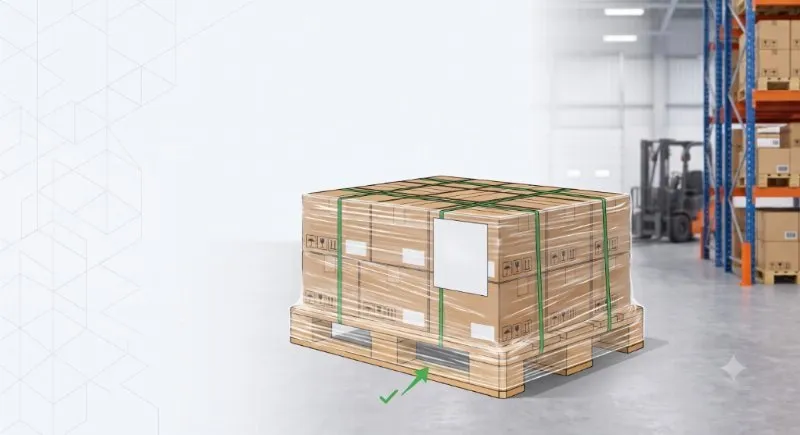
Always use undamaged, certified EUR or FIN pallets free of loose planks or protruding nails. Align cartons flush with pallet edges, avoiding overhang.

Secure freight to the pallet using heavy-duty stretch film or strapping, anchoring film to the pallet base. Affix legible labels with destination and piece count.
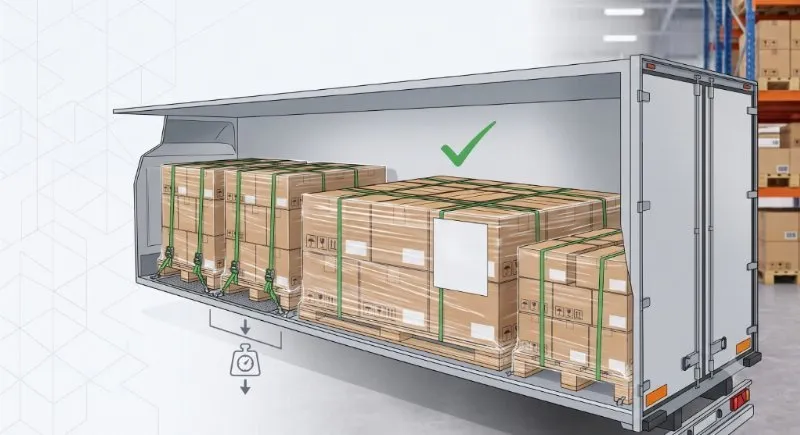
Place the heaviest pallets towards the front and center of the semi-trailer to maintain balanced axle weights. Inform dispatch if cargo requires anti-slip mats or load bars.
Overview of the most common pallet dimensions used across European and international logistics. Accurate pallet data ensures rapid volume calculation and cost efficiency.
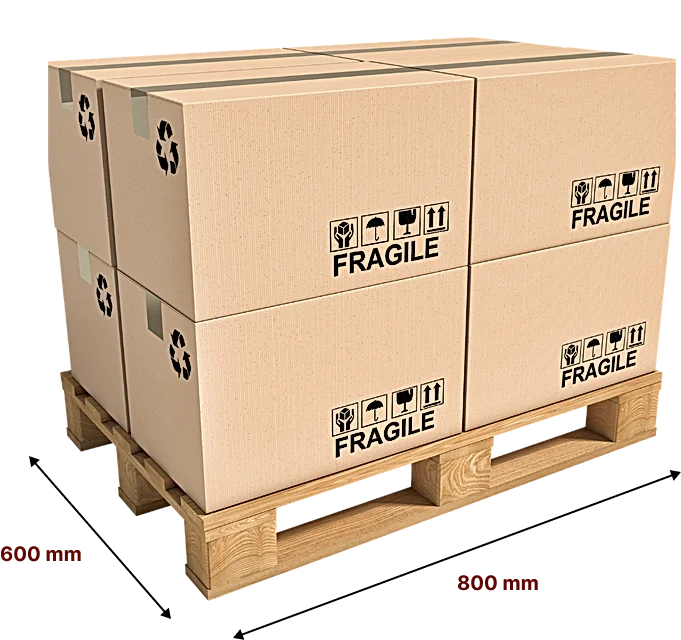
Compact pallet footprint ideal for smaller shipments and retail distribution.
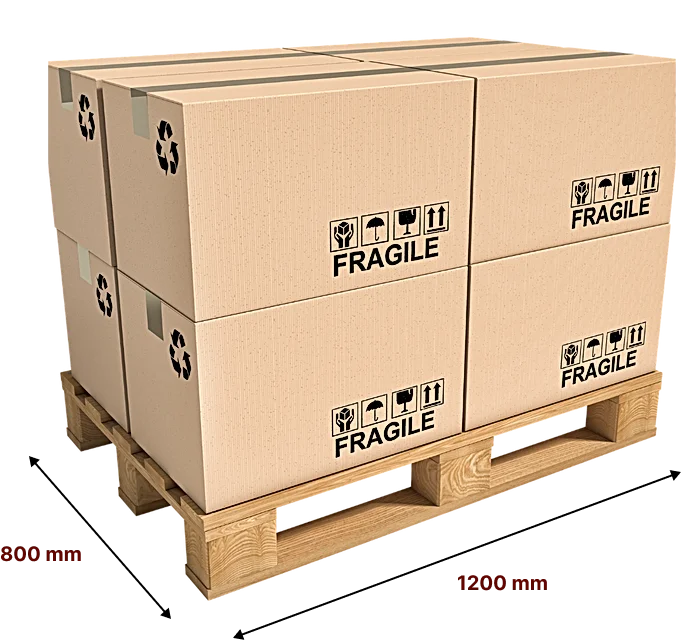
The primary standard across continental Europe, optimized for 13.6m trailers.
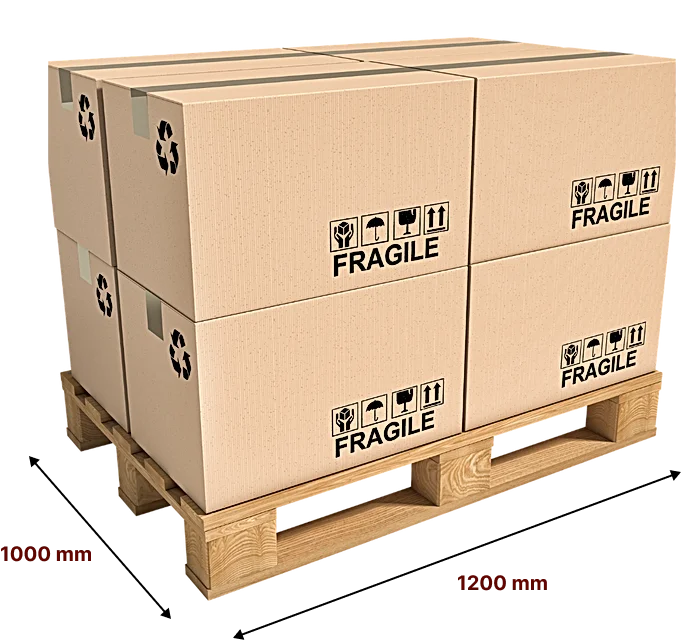
Wider pallet widely used in the UK and Scandinavia for heavy industrial freight.
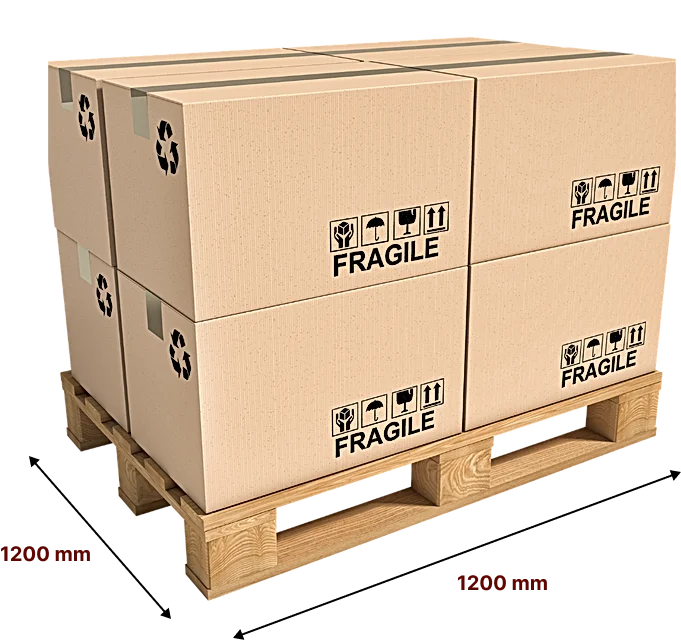
Maximum surface area for large machinery, chemical containers, and oversized goods.
We offer a versatile fleet of freight vehicles for domestic and international transit. Selecting the right vehicle size lowers transportation costs and optimizes delivery times.
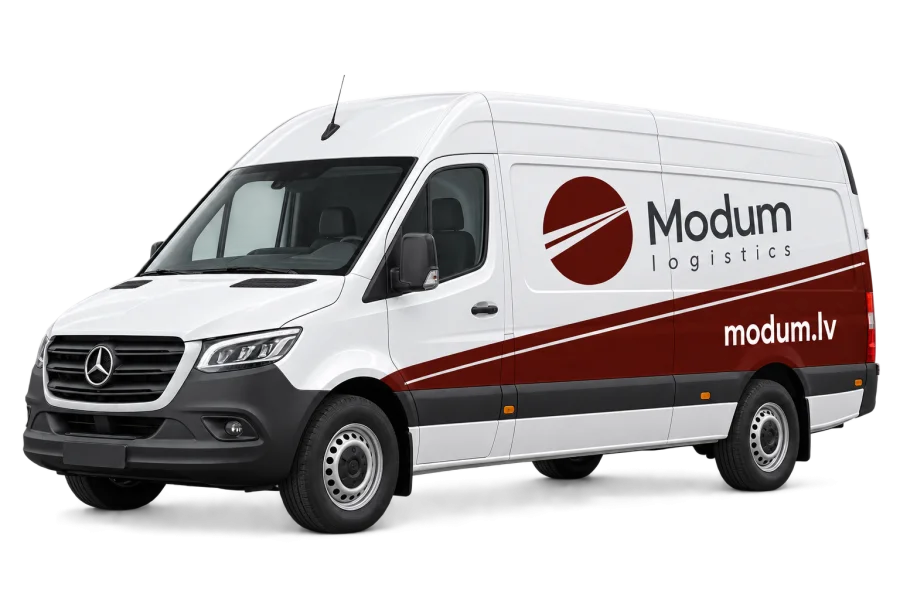
Express urgent freight, small consignments, and urban deliveries.
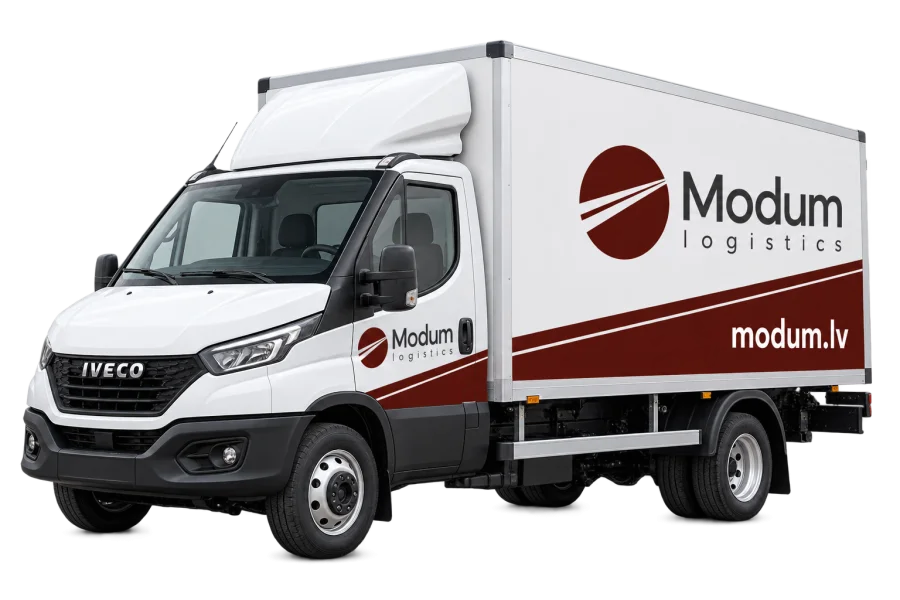
Fast regional deliveries and urban distribution with tail-lift.
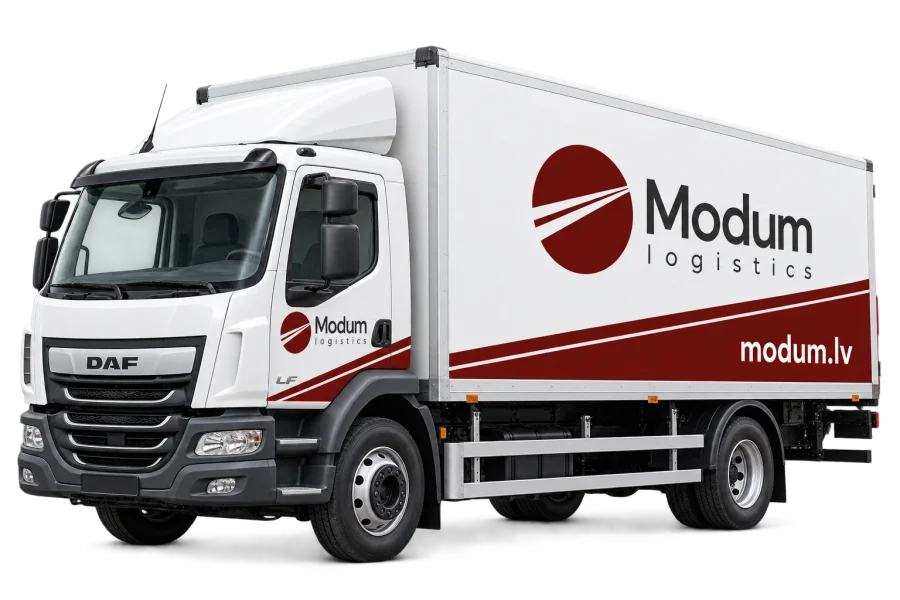
Versatile choice for medium-sized shipments and multi-stop freight distribution.
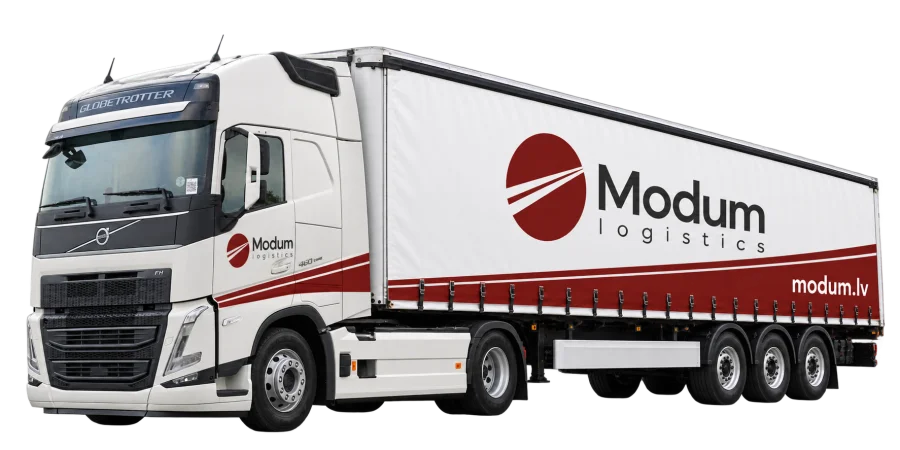
The cornerstone of European international long-haul transportation.
We use cookies to enhance your browsing experience, analyze site traffic, and deliver personalized content. Learn more in our Cookie Policy.
We use cookies to ensure proper website functionality and analyze visitor traffic. You can choose which cookie groups to consent to in accordance with GDPR.
Essential for core website functionality, session security, CSRF protection, and remembering your consent preferences. Cannot be disabled.
Help us improve website performance and marketing by collecting anonymous statistics (Google Analytics, Microsoft Clarity, Bing Webmaster, Ahrefs).